

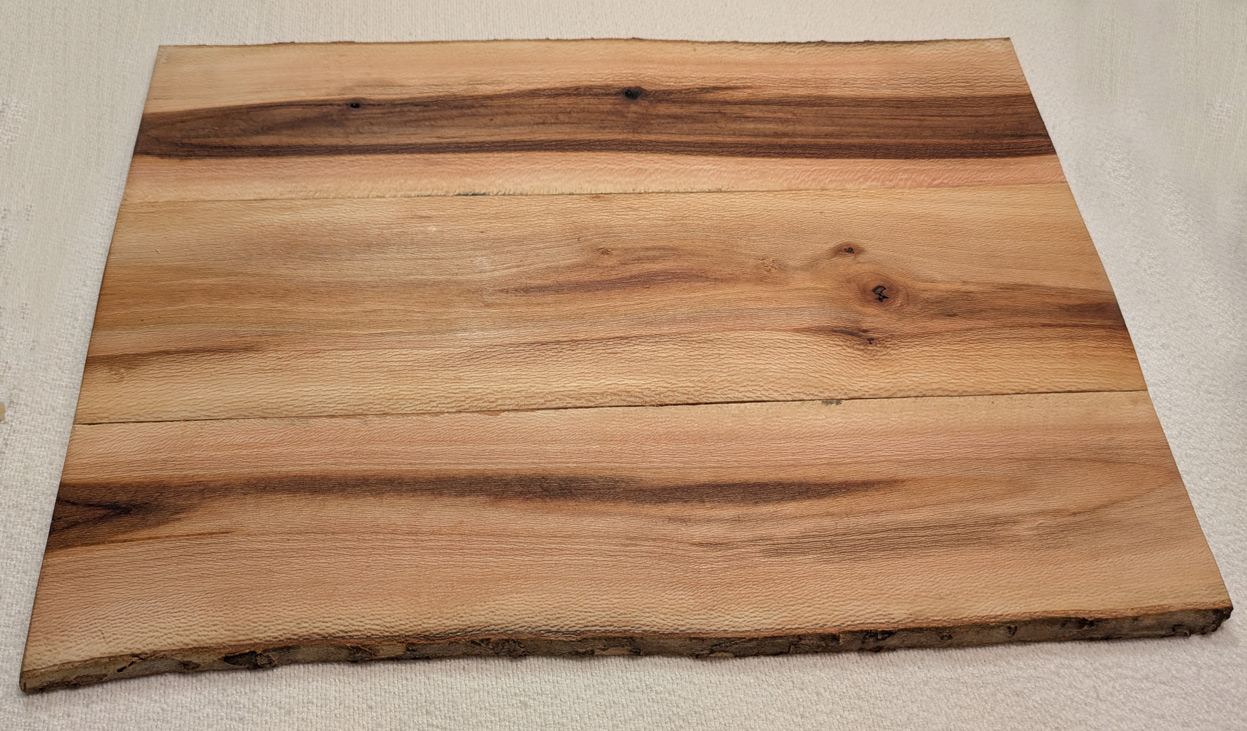

Renaissance Canvas
Paint like a Renaissance Artist! Before canvas took over, Renaissance painters in places like Florence and Venice had easy access to poplar, oak, and linden. They’d glue planks together and coat the panel with gesso (chalk + glue), sand it smooth for a glass-like surface that was perfect for tiny details, ideal for tempera and early oil painting. Canvas didn’t become common until later (especially in humid Venice wherewood warps more).
Advantages of Wood Canvas:
- It holds fine detail like crazy
Artists like Leonardo da Vinci and Sandro Botticelli used hair-thin lines, layered glazing and precise facial details.
- Better for gold-leaf
Religious paintings often used gold backgrounds. Wood gives a rigid base; canvas would sag
- Rigid
Wood panels don’t flex like canvas, so brushstrokes stay exactly where you put them.
Wood’s downside
Warps with humidity
Cracks over time
Heavy
About the Wood
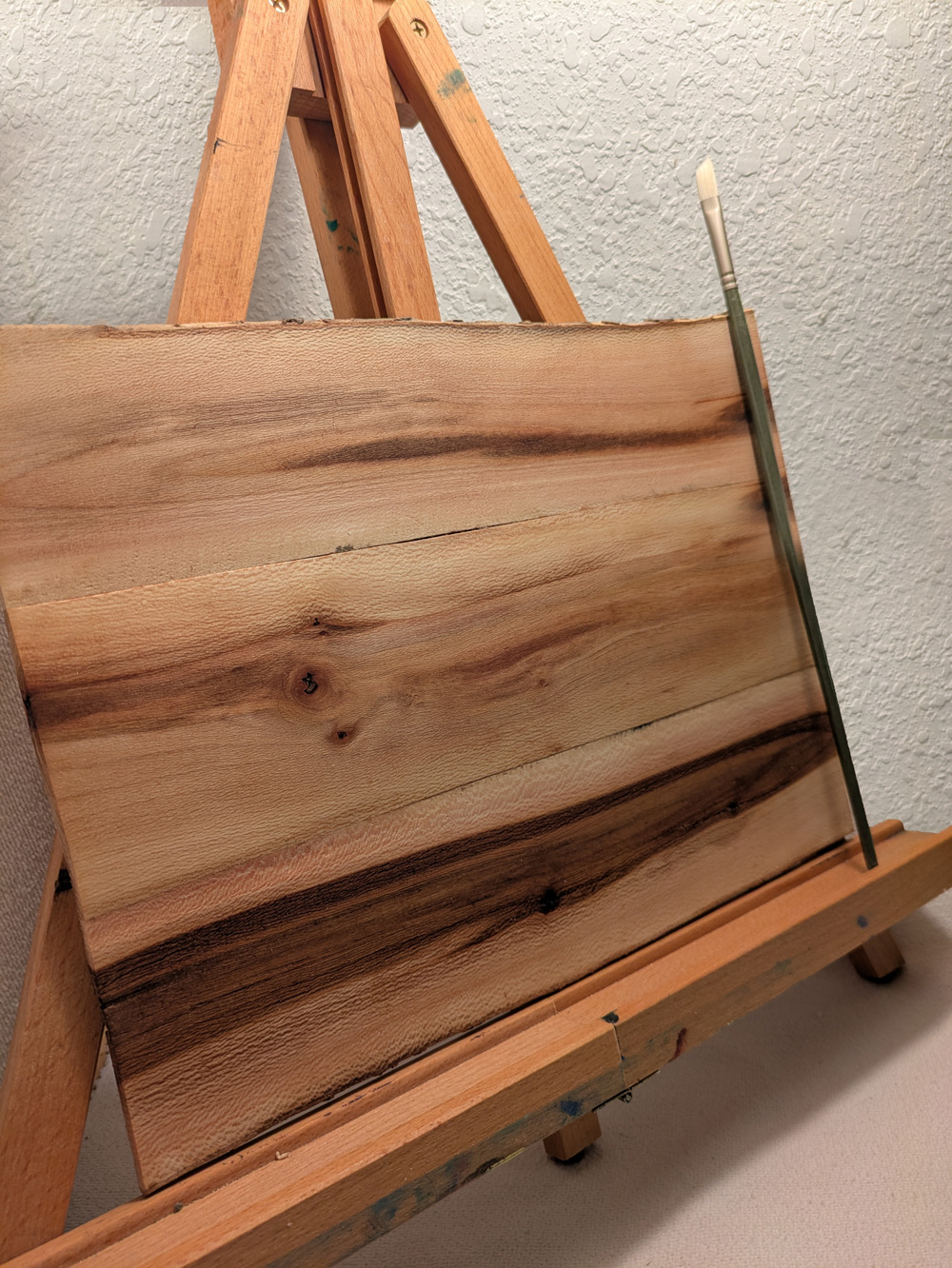
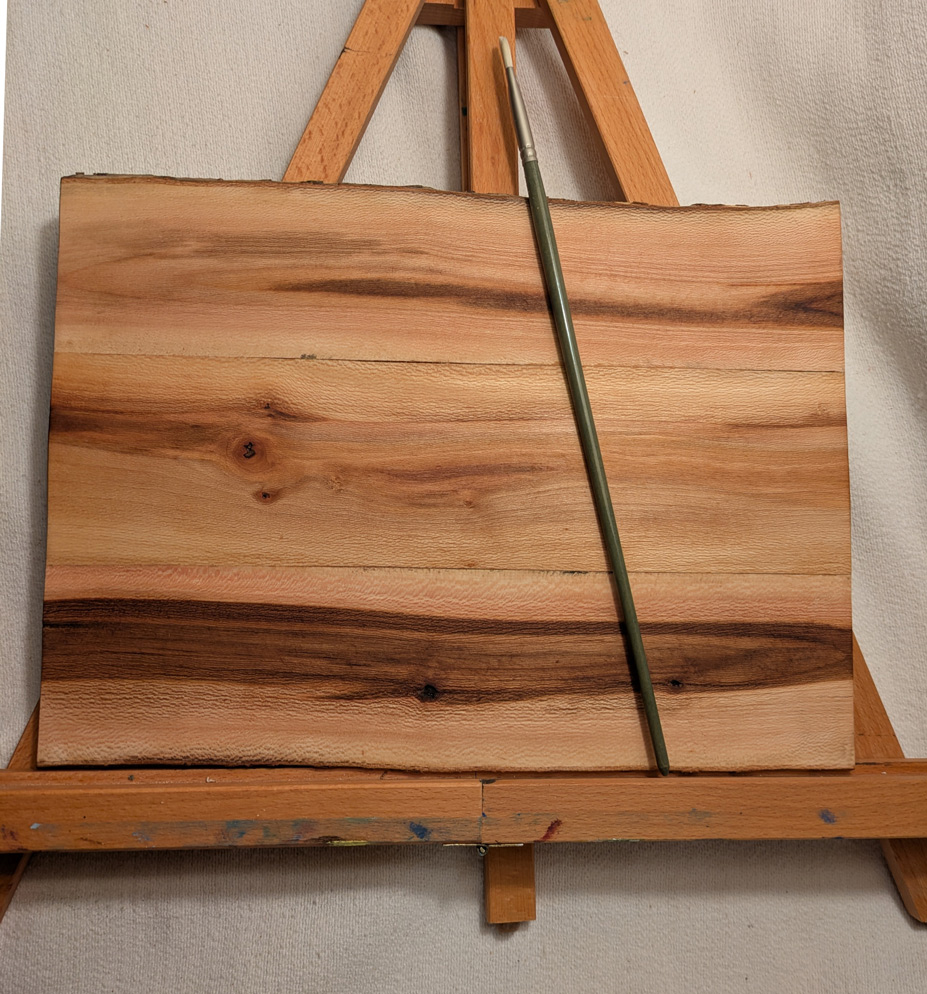
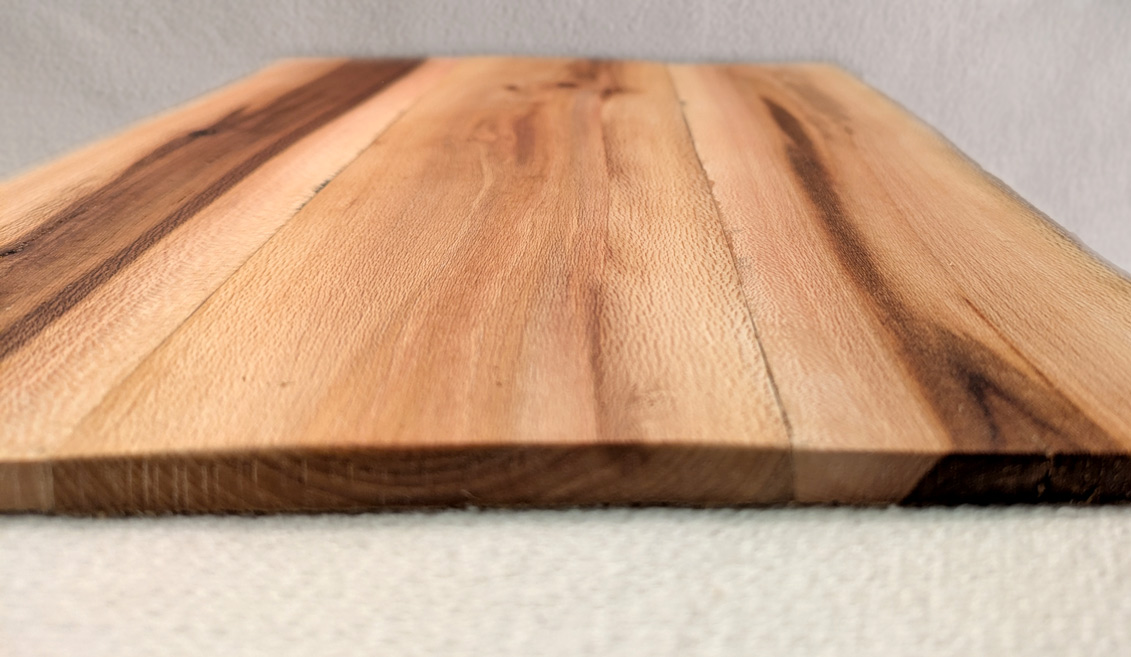
Our Cattywampus Sycamore wood is coated with tung oil and acts very much like a primed canvas. Using a wet-on-wet technique? Simply add more oil. Linseed oil and tung oil work equally well with oil paints. The flecked grain of Sycamore and its amber hue can look like a sunset, so artists can incorporate the canvas right into the their painting.
About Our Renaissance Canvas Art
Long before stretched canvas became the familiar artist’s surface, painters of the late Middle Ages and Renaissance commonly worked on wooden panels. Wood provided a rigid, durable support and was readily available, while canvas became increasingly popular because it was lighter and easier to transport. Traditional panels were usually prepared with a smooth layer of gesso that concealed the grain. Our panels take a different approach: tung oil enriches the natural tones and figure of the wood, allowing the support to remain a visible part of the finished composition.
These wood canvases began as a custom order for an artist. The color seemed to come alive against the warmth and variation of the grain, giving the paintings a depth that a uniform white ground cannot reproduce. The examples shown here were created with India ink and gouache. We now offer both completed paintings and blank, tung-oil-prepared Renaissance canvases for artists working in oil, acrylic, gouache, India ink, and other media.
Every item is one-of-a-kind. If something catches your eye, I am happy to make custom creations, without charging a premium. My goal is to make something I know someone will use.
Contact
Email: sawdust@cattywampuskc.com
Free local delivery is available on orders of $150 or more in the KC Metro. Nationwide shipping is also available. See our policies for details.
Tip: Sold items are shown for portfolio purposes. Availability can change — message to confirm.